
Many common plastic items are indistinguishable - both to our eyes to the sensors commonly used to separate them for recycling. While advanced plastic sorting tools like near infrared spectroscopy (NIR) and visual AI struggle to differentiate between look-alike materials, Acoustic AI can differentiate resin types quickly and accurately.
Many black and clear resins look the same to NIR sensors, and near-identical forms will confuse visual systems. From a recycling and manufacturing perspective, these similarities presents a costly challenge, and most of these items are bound for the landfill.
Despite their similar appearances, Acoustic AI is able to classify lookalike objects that would confound NIR, visual, or even human-sorted waste streams. Just take a look at our results on the lookalike objects in the images below!
The recyclables shown below are either #1 - PET, #2 - HDPE, #5 - PP, or #6 - PS. Can you tell the difference?
Hover over the images for Acoustic AI’s material inference results.
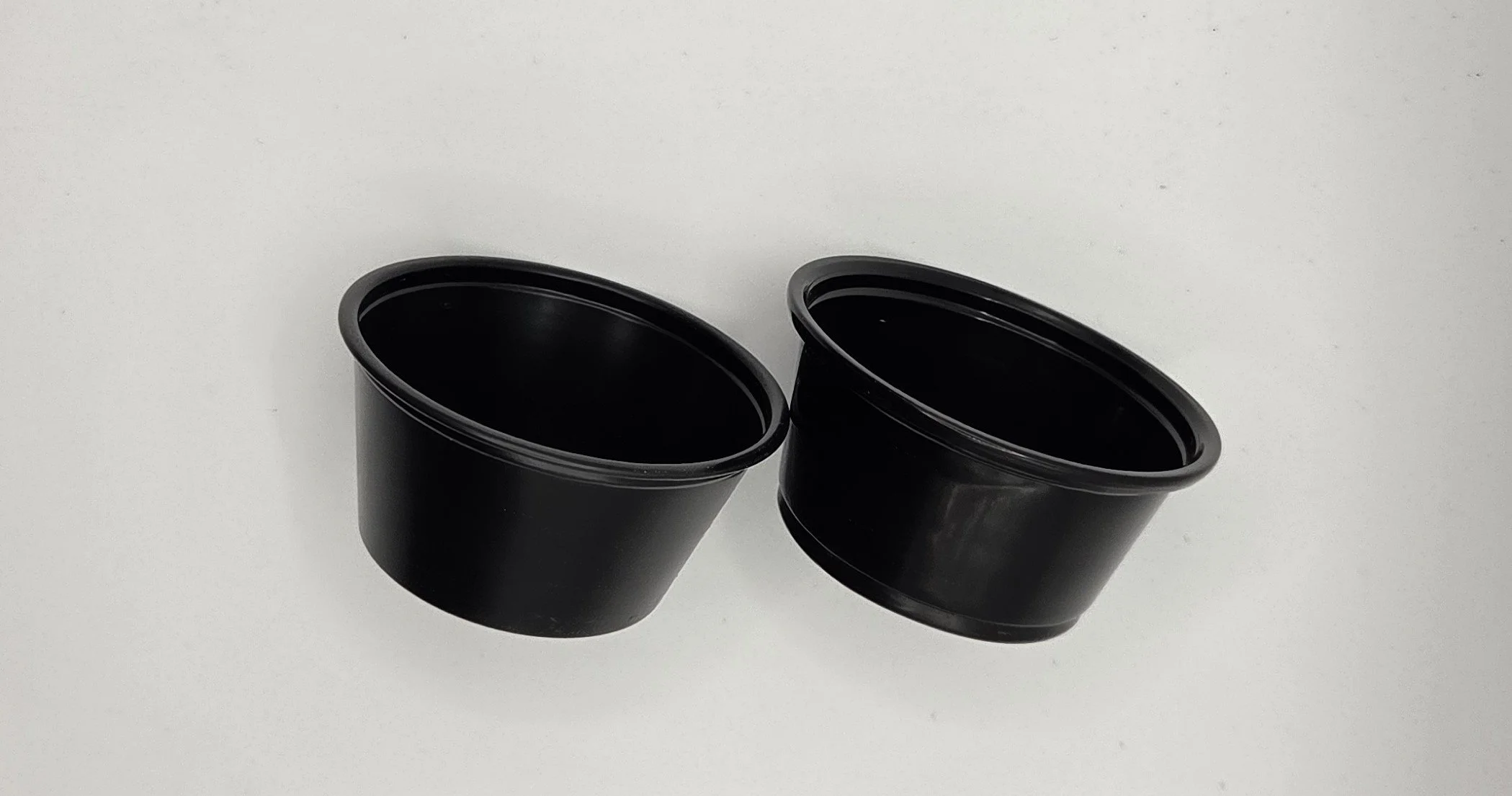
(LEFT) #6 - PS (RIGHT) #5 - PP
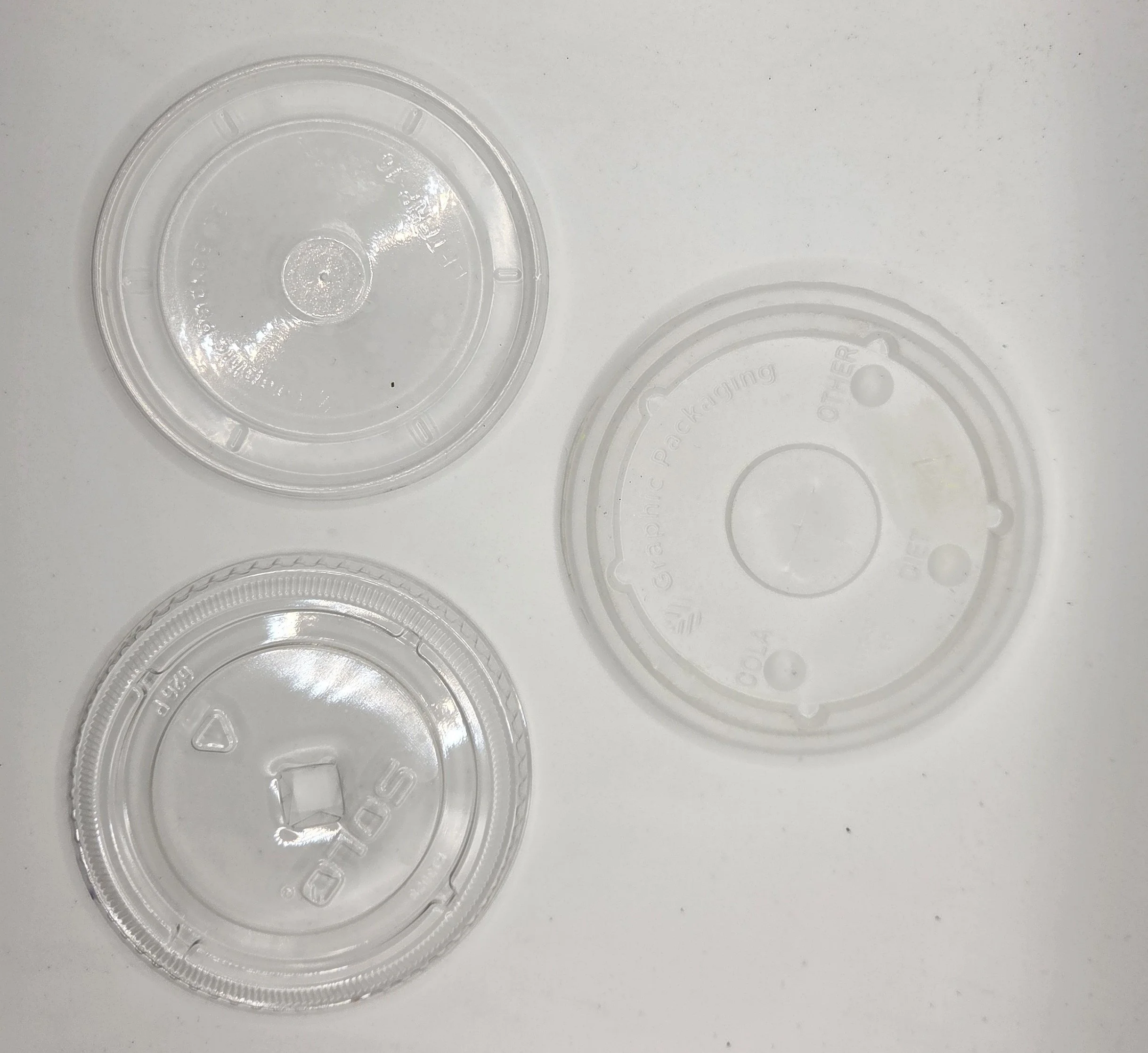
(TOP) #5 - PP (BOTTOM) #1 - PET (RIGHT) #6 - PS
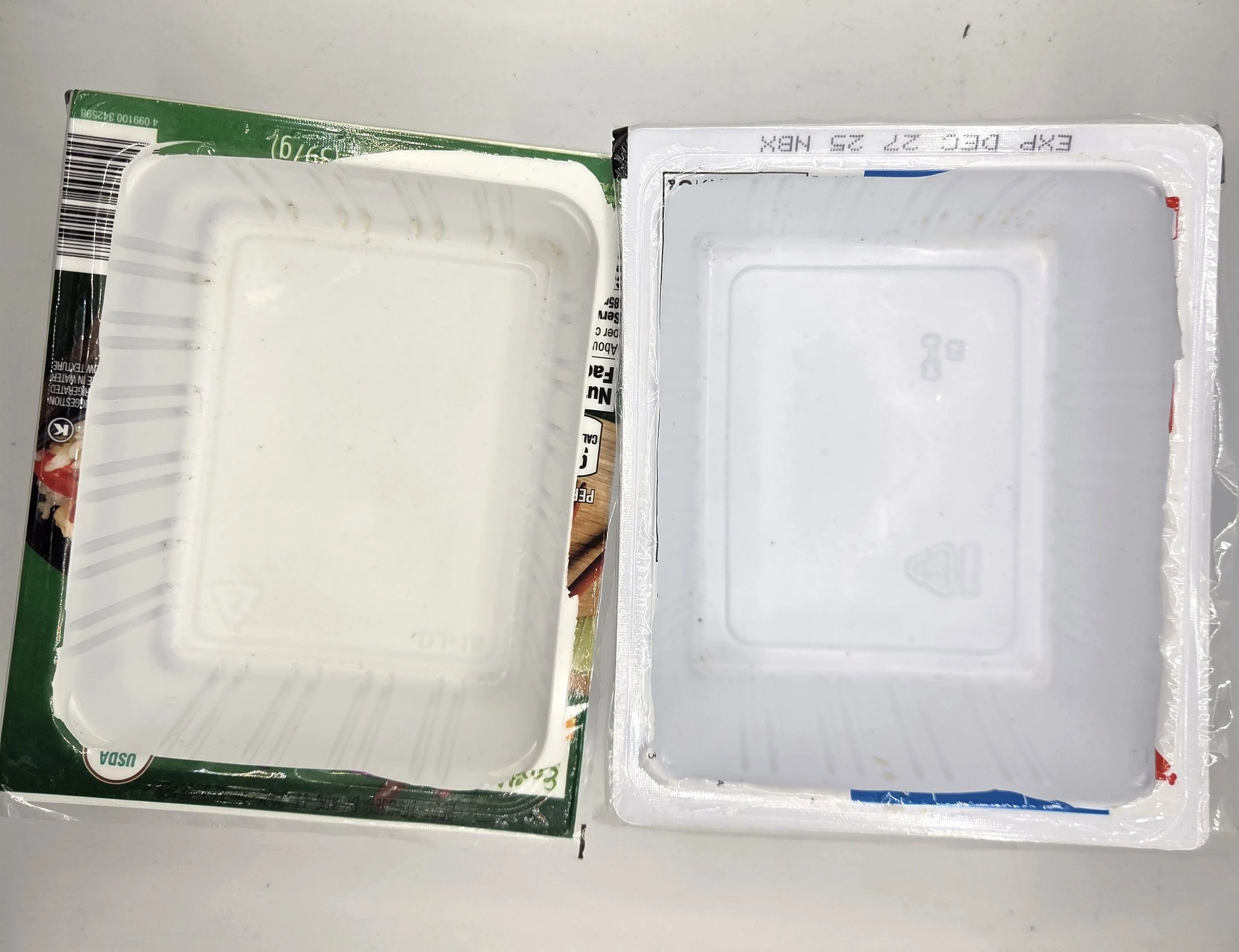
(LEFT) #5 - PP (RIGHT) #2 - HDPE
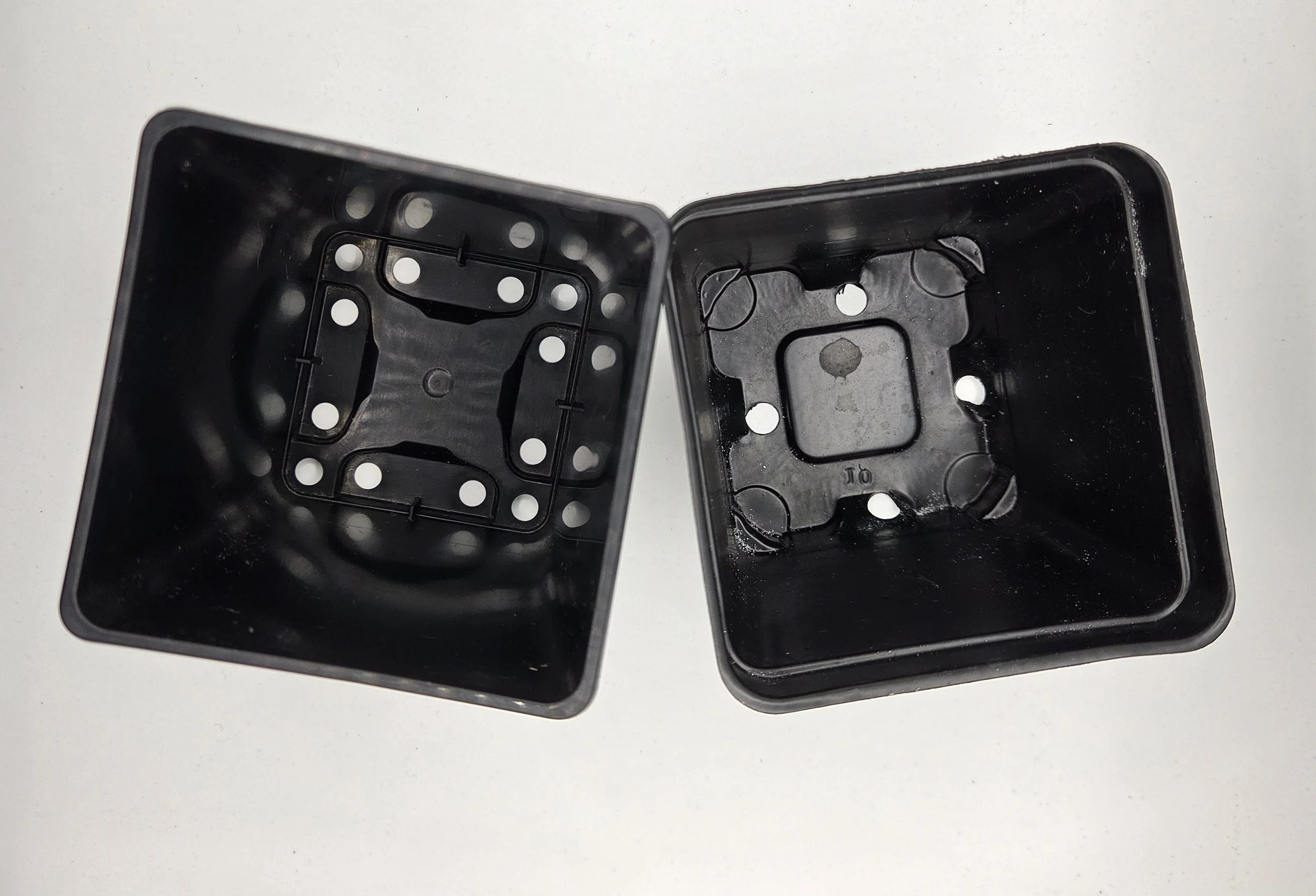
(LEFT) #5 - PP (RIGHT) #6 - PS
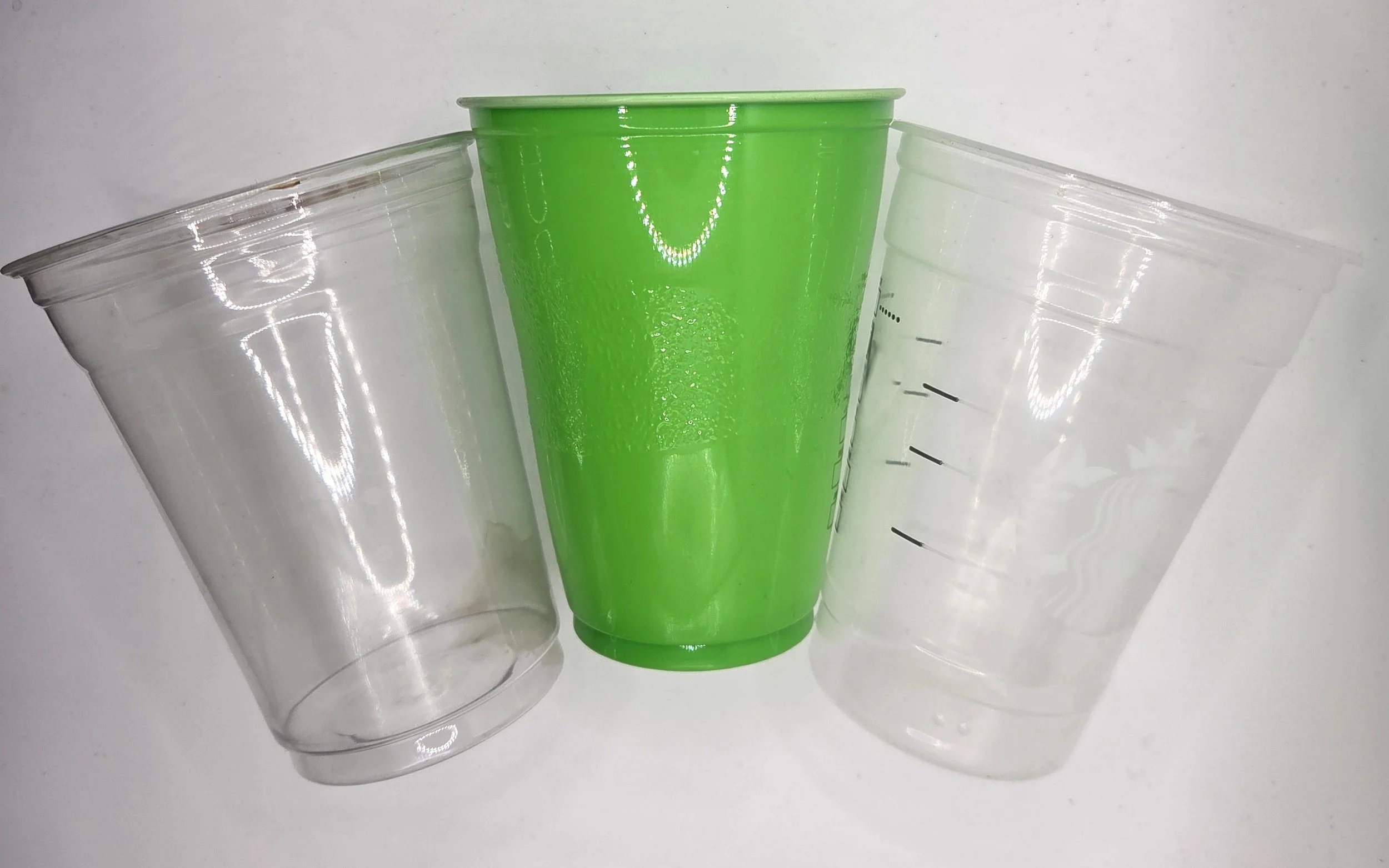
(LEFT) #1 - PET (CENTER) #6 - PS (RIGHT)#5 - PP
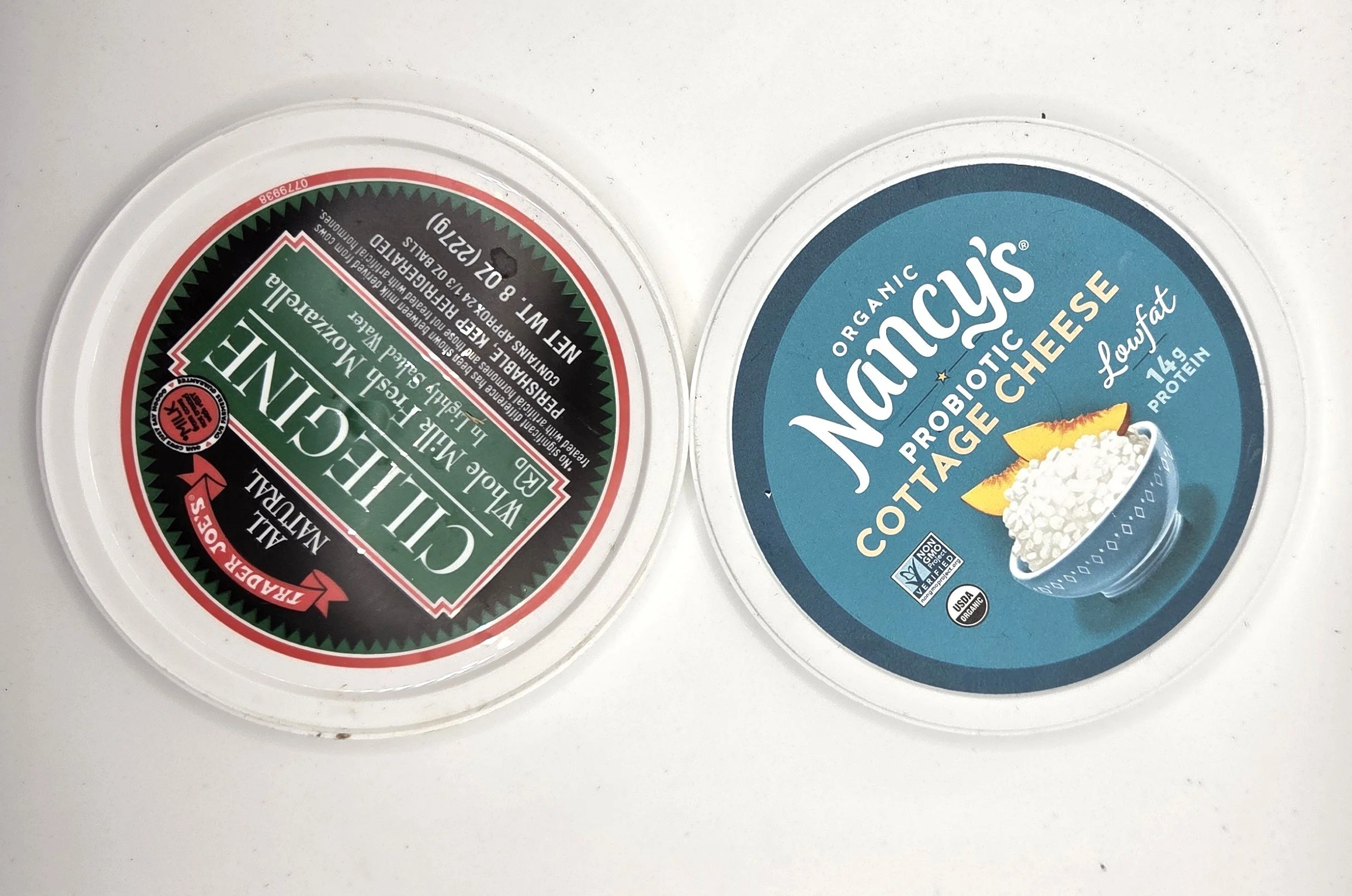
(LEFT) #2 - HDPE (RIGHT) #5 - PP
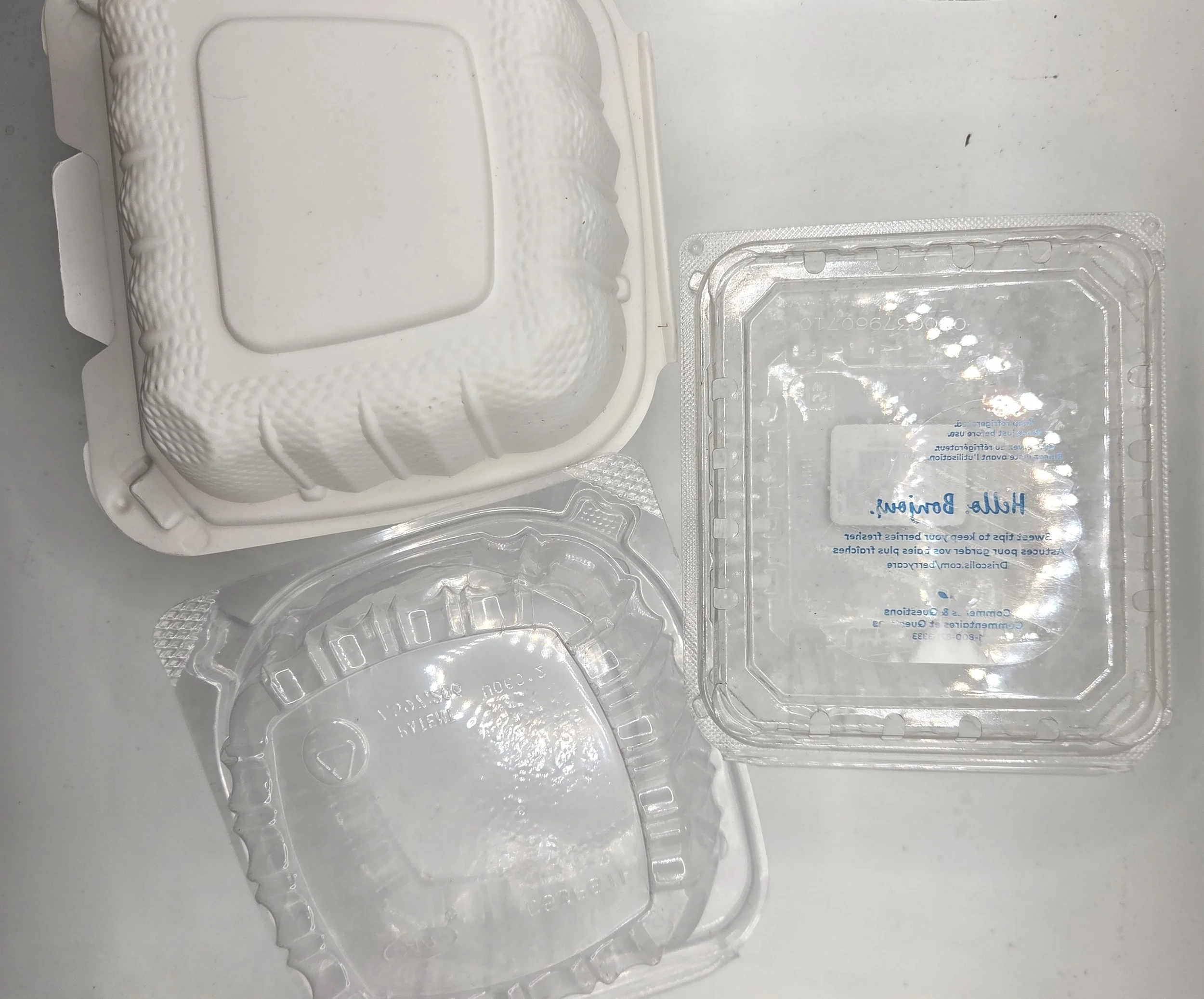
(TOP) #5 - PP (BOTTOM) #6 - PS (RIGHT)#1 - PET
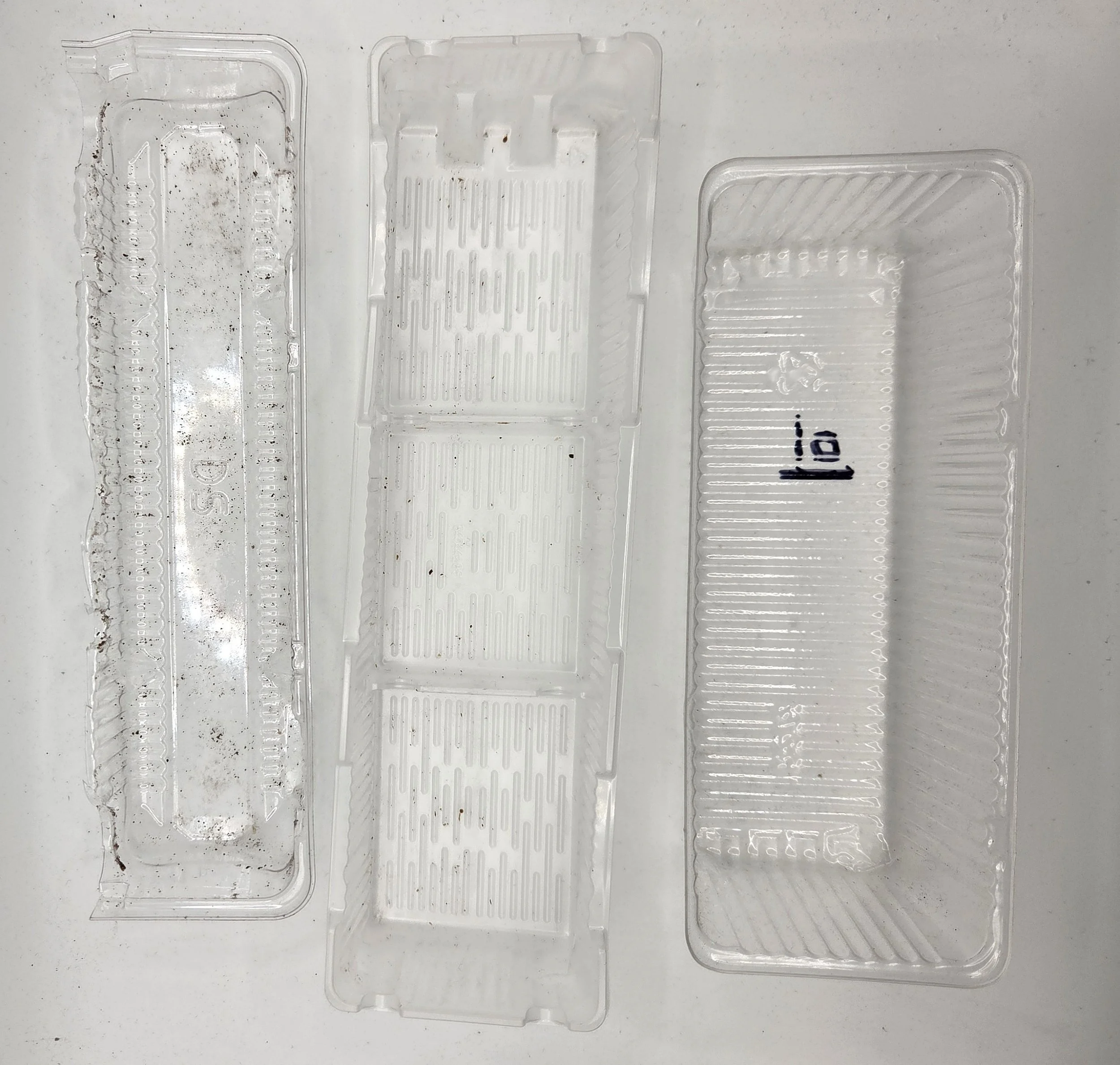
(LEFT) #1 - PET (CENTER) #5 - PP (RIGHT) #6 - PS
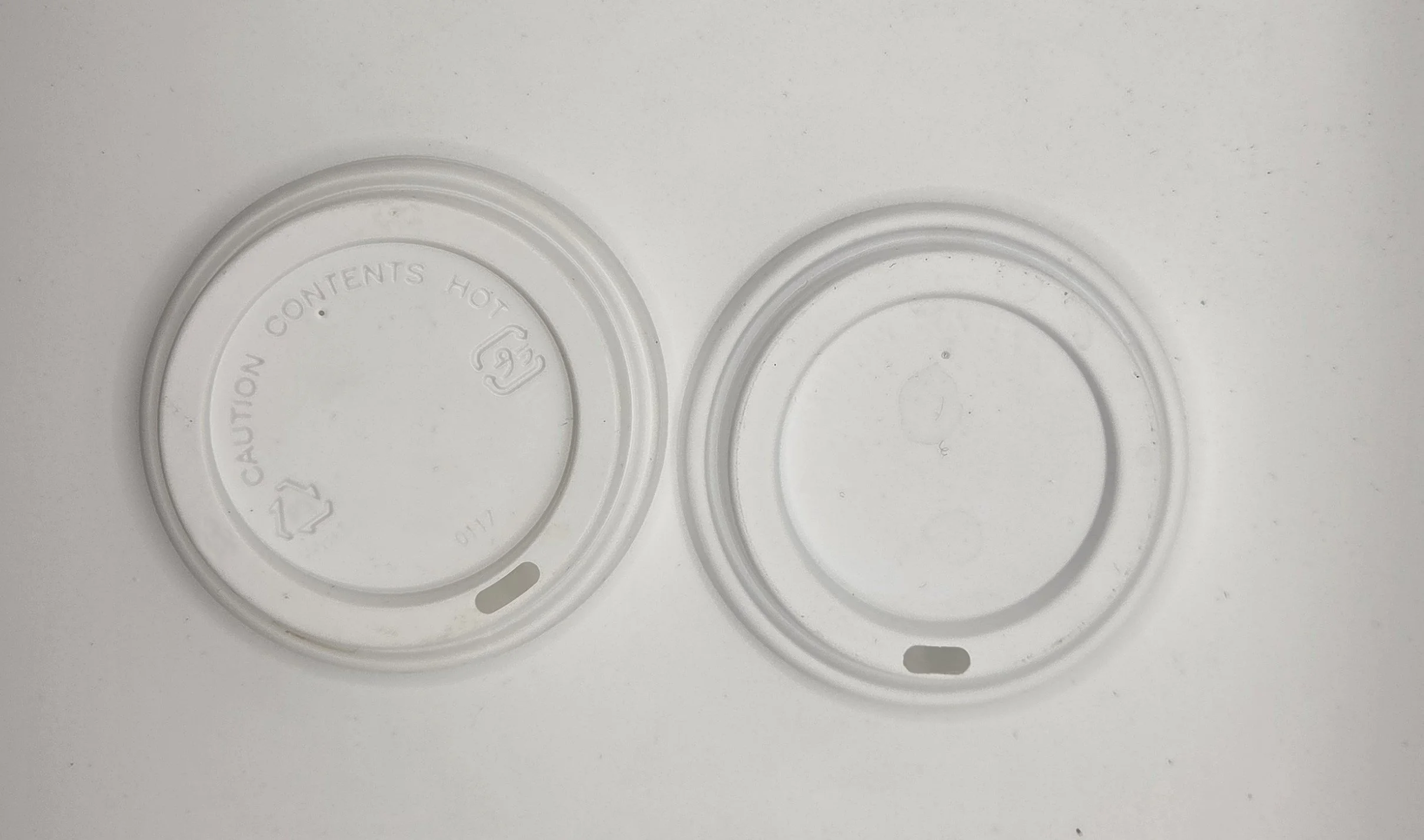
(LEFT) #6 - PS (RIGHT) #5 - PP
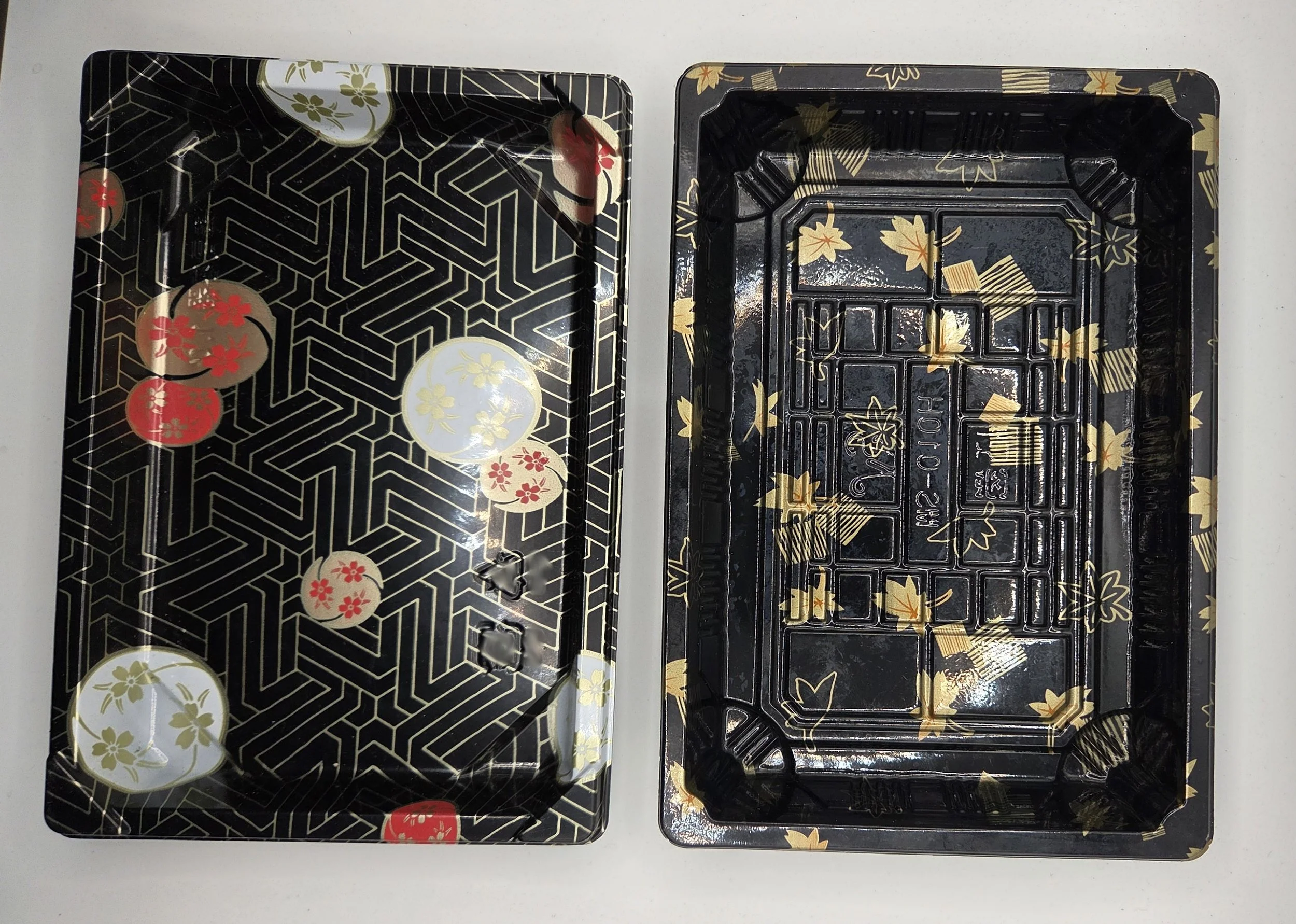
(LEFT) #6 - PS (RIGHT) #1 - PET
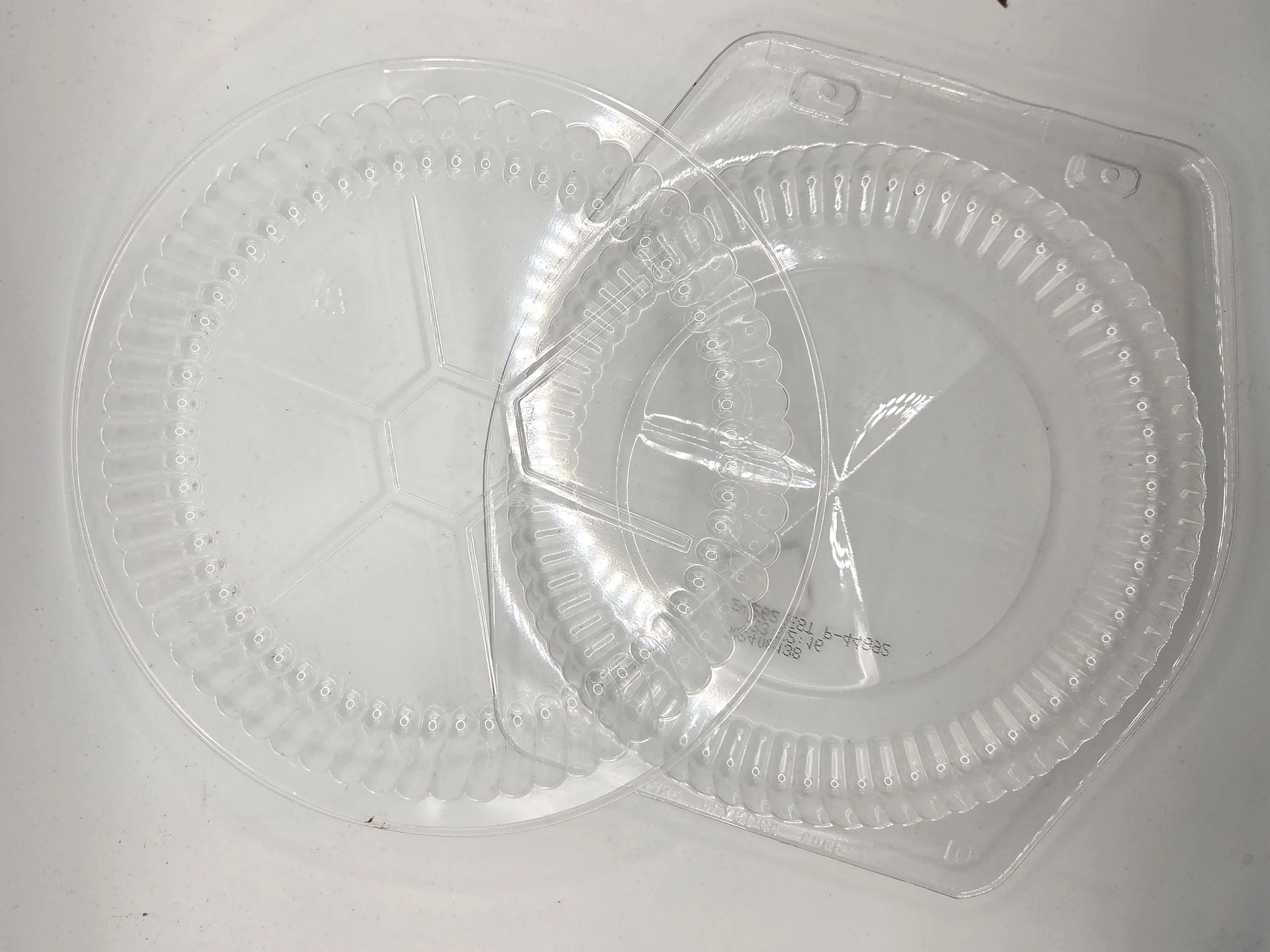
(LEFT) #6 - PS (RIGHT) #1 - PET